

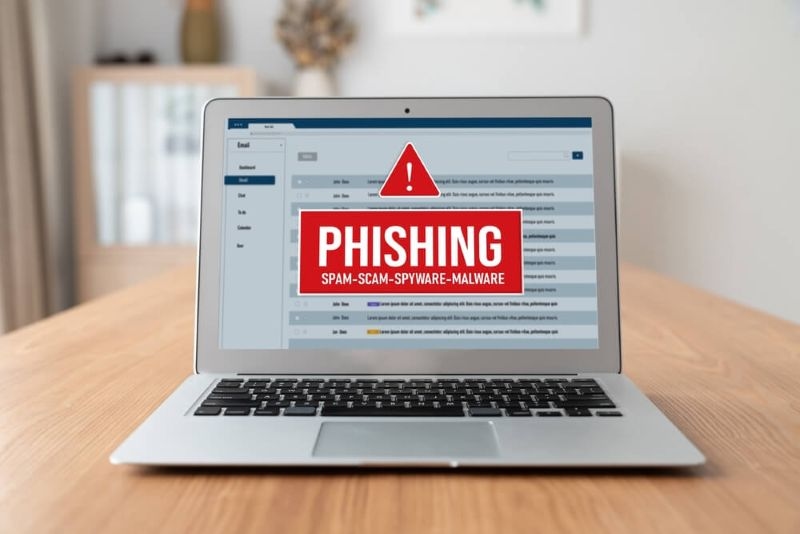
Understanding phishing in banking: how to spot and avoid it, is crucial to securing your financial future. Phishing in banking, the rise of banking scams, and the urgent need to know how to prevent phishing have become major concerns for both customers and institutions.
Phishing threats are no longer optional as cybercriminals grow more sophisticated; they are now a necessity for digital bank customers.
Phishing remains one of the most frequently used tactics by cybercriminals to commit financial fraud, according to several reputable agencies, including the Federal Trade Commission and the Federal Deposit Insurance Corporation. Your best defence against phishing is to be aware of it. Awareness is your first and strongest line of defence.
What is Phishing in Banking & How to Identify and Avoid it Before Damage Occurs.
Phishing in banking refers to fraudulent attempts by criminals to obtain sensitive information, such as account numbers and passwords, by impersonating a legitimate financial institution. Phishing attempts can take place through phishing emails (sometimes referred to as smishing if received via SMS), phishing telephone calls (vishing), or counterfeit websites that mimic the authentic banking portals.
Cybercriminals posing as reputable internet or financial institutions use phony emails, text messages, and calls from phony phone numbers etc., to communicate with unsuspecting victims via email:
Links forwarded to you lead to a false login screen that appears to be your bank’s real login
According to the Consumer Financial Protection Bureau, using pressure and urgency to create fear are among the most common tactics in Banking Scams. Often, many communication efforts are used to compel consumers to react quickly before they have a chance to think critically.
Phishing scams are nasty because they are specifically created to take away your access to money. Once a criminal has your information, they can perform various acts, such as;
The FBI reports that billions of dollars are lost each year to phishing schemes nationwide. By knowing how to identify and avoid phishing scams in banking, you will never be one of those statistics.
On a Related Note: All You Need to Know: U.S. Bank Statement Abbreviations& Code
Trust is essential in banking scams, as banks invest heavily in security, which makes them appear more credible to scam artists.
According to USA.gov, your real bank will never ask for sensitive information in an email or text message.
To truly understand what phishing is in relation to banking, and how to avoid and recognize it, can help you find clues that indicate fraud:
While Phishing in Banking will usually involve very subtle persuasion, the fact that it is not obvious is not a sign of correctness.
The best strategy to prevent phishing and banking scams is to learn how to prevent them. Prevention requires awareness, vigilance, and proactive security habits.
Do not click on any links that seem suspicious. You can type your bank's official website directly into your web browser. If you do not know your actual bank, you can contact them using the number on the back of your bank card.
Using MFA adds an extra layer of security beyond a password alone. Even if an attacker obtained your login information, they would not be able to access your account without the second verification code.
Learn More: Build an Emergency Fund – Start Your U.S. Plan Today!
You should routinely review your account activity to quickly identify unauthorized transactions. The Office of the Comptroller of the Currency recommends reviewing your bank statements monthly or more often.
As new software updates become available, they will "patch" previously identified security vulnerabilities. By keeping your device, bank app(s), and browser up to date, you can significantly reduce your risk of becoming a phishing victim.
If you believe you are a victim of a phishing attempt targeting your bank account, it is important to report it to both your financial institution and IdentityTheft.gov as soon as possible; by doing so, you will limit your exposure to further loss and may also be able to recover lost funds.
Expand Your Knowledge: Savings vs Checking Accounts in America: A Quick Guide
The Secrets to Avoiding and Recognizing Bank Scams will turn you from a possible victim to an empowered consumer. Bank scammers change quickly over time, although there are common ways to avoid being scammed that will never change.
By understanding ways to avoid being scammed by phishers, you:
Financial literacy today doesn't only include managing your finances and investing; it also involves being financially aware and protecting yourself online (digitally), especially from the current threat of phishing in banking; therefore, consumers who are knowledgeable are generally much harder to scam.
In banking, phishing is both a technological and a human issue. Cybercriminals take advantage of people through emotional manipulation (i.e., fear or urgency) by using phishing scams. To build a protective wall against phishing and have a secure environment through learning what banking phishing is, how to spot it, how to be on guard against it, and ultimately reducing the risk of being victims of phishing in the first place through the implementation of prevention techniques.
Trust verified sources; be suspicious of unexpected correspondence; act carefully, rather than hastily; and provide your financial safety with as much detail as necessary.
Phishing in banking is a fraudulent attempt to steal financial information by impersonating trusted institutions. You can spot it through suspicious links, urgent language, or unusual requests and avoid it by verifying sources directly.
Yes, Banking Scams have increased as digital banking expands. Criminals exploit email, text, and phone communications. Staying informed about phishing in banking significantly reduces your risk of financial fraud.
To prevent phishing, enable multi-factor authentication, avoid clicking unknown links, monitor statements regularly, update software, and report suspicious communications immediately to your financial institution and authorities.
This content was created by AI